How to Reduce Software Development Costs Without Compromising Quality
Software development can be a significant investment for businesses, but reducing costs should never come at the expense of quality, security, or scalability. Organizations can optimize development budgets by focusing on clear requirements, adopting agile methodologies, leveraging reusable components, automating testing, and selecting the right technology stack. Effective project planning and prioritization help avoid costly rework and delays while ensuring resources are utilized efficiently. By combining smart development practices with strategic technology decisions, businesses can build high-quality software solutions that meet their objectives, accelerate time-to-market, and maximize return on investment without exceeding budget constraints..

Introduction
Software development is one of the most important investments organizations make to improve operations, enhance customer experiences, and drive business growth. However, many projects exceed budgets due to poor planning, changing requirements, inefficient development practices, and unnecessary complexity.
Reducing software development costs does not mean choosing the cheapest developers or cutting essential features. Instead, it involves making smarter decisions throughout the software development lifecycle to maximize value while maintaining quality, performance, and scalability.
Organizations that follow proven development strategies can significantly reduce costs while delivering robust and future-ready software solutions.
Why Software Projects Become Expensive
Before discussing cost-saving strategies, it's important to understand the common reasons projects exceed budgets.
Unclear Requirements
Incomplete or constantly changing requirements often lead to:
- Scope creep
- Development delays
- Rework
- Increased costs
Overengineering
Building unnecessary features or overly complex architectures can increase both development and maintenance expenses.
Poor Planning
Lack of proper project planning results in inefficient resource utilization and missed deadlines.
Manual Processes
Excessive manual testing, deployments, and operational activities increase project costs.
Technology Mismatch
Selecting technologies that do not align with business needs can lead to higher development and maintenance costs.
Understanding these factors helps organizations avoid common budget overruns.
1. Start with Clear Requirements
One of the most effective ways to reduce development costs is to define requirements thoroughly before development begins.
Document Business Goals
Clearly identify:
- Problems to solve
- Expected outcomes
- User requirements
- Business priorities
Create Functional Specifications
Detailed specifications reduce misunderstandings and minimize costly revisions later.
Involve Stakeholders Early
Gather input from:
- Business teams
- End users
- Management
- Technical teams
This ensures alignment and reduces future changes.
2. Build a Minimum Viable Product (MVP)
Many organizations attempt to launch with every possible feature.
A more effective approach is developing a Minimum Viable Product (MVP).
Benefits of MVP Development
- Faster launch
- Lower initial investment
- Early customer feedback
- Reduced risk
- Faster return on investment
Organizations can validate ideas before investing in advanced functionality.
3. Prioritize Features Strategically
Not every feature delivers equal business value.
Classify features into:
Must-Have Features
Core functionality required for launch.
Should-Have Features
Important but not essential.
Nice-to-Have Features
Can be implemented in future releases.
This approach prevents unnecessary spending on low-priority functionality.
4. Choose the Right Technology Stack
Technology selection directly impacts development costs, maintenance requirements, and scalability.
Consider Factors Such As:
- Project complexity
- Team expertise
- Community support
- Long-term maintenance
- Infrastructure costs
Popular cost-effective technologies include:
- Laravel
- Node.js
- React
- Angular
- PostgreSQL
- MySQL
Choosing mature technologies often reduces development risks and expenses.
5. Reuse Existing Components
Building everything from scratch increases both cost and development time.
Leverage:
Open-Source Libraries
Use trusted open-source components where appropriate.
Framework Features
Take advantage of built-in framework capabilities.
Existing Modules
Reuse authentication systems, reporting modules, notification systems, and workflow engines whenever possible.
Reusability significantly improves development efficiency.
6. Adopt Agile Development Methodology
Traditional development approaches often discover issues late in the project lifecycle.
Agile methodologies offer:
- Iterative development
- Continuous feedback
- Faster issue detection
- Improved transparency
Benefits include:
- Better budget control
- Reduced rework
- Faster delivery cycles
Agile development helps organizations respond quickly to changing requirements.
7. Automate Testing
Manual testing consumes significant time and resources.
Automated Testing Benefits
- Faster testing cycles
- Improved software quality
- Early defect detection
- Reduced human errors
Organizations should automate:
- Unit testing
- Integration testing
- Regression testing
- Performance testing
Automation reduces long-term development and maintenance costs.
8. Implement Continuous Integration and Deployment (CI/CD)
Modern development practices emphasize automation throughout the delivery process.
CI/CD pipelines help:
- Reduce deployment risks
- Accelerate releases
- Improve code quality
- Minimize manual intervention
Automation improves efficiency and reduces operational expenses.
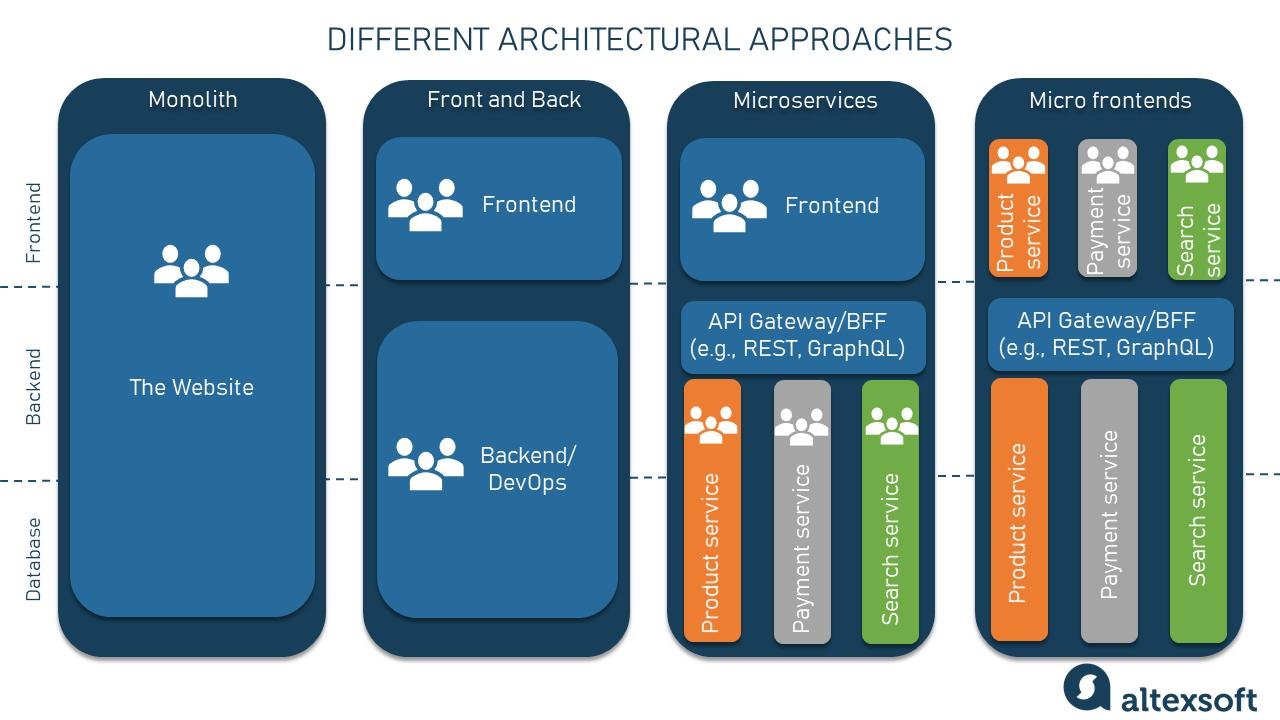
9. Focus on Scalable Architecture
Poor architectural decisions often result in costly future redesigns.
Build for Growth
Design systems that can scale efficiently as user demand increases.
Avoid Overengineering
Balance future scalability with current business needs.
A well-designed architecture reduces technical debt and future development costs.
10. Improve Communication
Miscommunication is a common source of project delays and budget overruns.
Establish Clear Communication Channels
Regular meetings and progress updates help maintain alignment.
Use Project Management Tools
Tools such as:
- Jira
- Trello
- Asana
- ClickUp
Improve visibility and coordination.
Better communication reduces misunderstandings and rework.
11. Outsource Strategically
Many organizations reduce costs through outsourcing.
Benefits include:
- Access to specialized expertise
- Reduced hiring costs
- Faster project execution
- Flexible resource allocation
However, selecting the right development partner is critical to maintaining quality standards.
12. Monitor Project Metrics
Data-driven project management helps identify issues before they become costly.
Track metrics such as:
- Development velocity
- Bug rates
- Resource utilization
- Sprint completion rates
- Budget consumption
Continuous monitoring supports better decision-making.
13. Reduce Technical Debt
Technical debt accumulates when shortcuts are taken during development.
Consequences include:
- Increased maintenance costs
- Slower development
- Higher defect rates
Organizations should:
- Conduct code reviews
- Refactor regularly
- Maintain coding standards
Managing technical debt protects long-term project value.
14. Invest in Security Early
Addressing security issues after deployment can be extremely expensive.
Implement:
- Secure coding practices
- Vulnerability assessments
- Access controls
- Data protection measures
Early investment in security reduces future risks and remediation costs.
15. Leverage Cloud Infrastructure
Cloud platforms help organizations optimize infrastructure expenses.
Benefits include:
- Pay-as-you-go pricing
- Auto-scaling
- Reduced hardware investments
- Improved availability
Cloud adoption allows businesses to align infrastructure costs with actual usage.
Balancing Cost and Quality
Cost reduction should never compromise:
Performance
Applications must meet user expectations.
Security
Customer and business data must remain protected.
Scalability
Solutions should support future growth.
User Experience
A poor user experience can increase support costs and reduce adoption.
Successful organizations focus on maximizing value rather than simply minimizing spending.
Common Mistakes to Avoid
Avoid:
- Selecting vendors based solely on price
- Skipping testing phases
- Ignoring documentation
- Underestimating project complexity
- Delaying security implementation
- Building unnecessary features
These mistakes often result in higher long-term costs.
Future Trends in Cost-Effective Software Development
Organizations are increasingly adopting:
- AI-assisted development
- Low-code platforms
- Automated testing frameworks
- Cloud-native architectures
- DevOps practices
- Reusable microservices
These technologies help improve productivity while reducing overall development costs.