Future of Enterprise Technology: Trends for 2026 and Beyond
Enterprise technology is evolving faster than ever, driven by advancements in artificial intelligence, cloud computing, automation, cybersecurity, and data analytics. Organizations are increasingly investing in intelligent systems that improve operational efficiency, enhance customer experiences, and support data-driven decision-making. Technologies such as AI Agents, hyperautomation, cloud-native platforms, predictive analytics, and low-code development are transforming how businesses operate and compete. As digital transformation accelerates across industries, enterprises must adapt to emerging trends to remain agile and future-ready. Understanding these technological shifts helps organizations make strategic investments and build sustainable competitive advantages in the years ahead..

Introduction
Technology has become the foundation of modern business operations. From customer engagement and workforce management to supply chain optimization and strategic planning, enterprises increasingly depend on digital solutions to remain competitive.
The pace of innovation is accelerating, with advancements in artificial intelligence, automation, cloud computing, cybersecurity, and data intelligence reshaping industries worldwide. Organizations that successfully adopt emerging technologies can improve efficiency, reduce costs, create new revenue opportunities, and deliver superior customer experiences.
As we move through 2026 and beyond, several technology trends are expected to have a significant impact on enterprise operations. Understanding these trends will help business leaders prepare for the future and make informed technology investment decisions.
1. AI Agents Will Become Digital Employees
One of the most transformative developments in enterprise technology is the rise of AI Agents.
Unlike traditional chatbots, AI Agents can:
- Understand complex requests
- Access multiple systems
- Execute tasks
- Make context-aware decisions
- Learn from interactions
Organizations are increasingly deploying AI Agents across:
- HRMS platforms
- ERP systems
- Customer support operations
- Sales automation
- Internal knowledge management
In the coming years, AI Agents will act as digital assistants capable of handling routine business operations, significantly improving productivity.
2. Hyperautomation Will Transform Business Operations
Automation is evolving beyond individual workflows.
Hyperautomation combines:
- Artificial Intelligence
- Robotic Process Automation (RPA)
- Machine Learning
- Business Process Management
This enables organizations to automate end-to-end business processes rather than isolated tasks.
Common applications include:
- Invoice processing
- Employee onboarding
- Procurement workflows
- Customer service operations
- Financial reporting
Hyperautomation will become a key driver of operational efficiency.
3. Cloud-Native Enterprise Applications
Traditional on-premise systems are gradually being replaced by cloud-native architectures.
Cloud-native applications offer:
- Better scalability
- Faster deployment
- Improved reliability
- Lower infrastructure costs
- Enhanced flexibility
Organizations increasingly prefer cloud-based ERP, HRMS, CRM, and collaboration platforms to support distributed workforces and rapid business growth.
Cloud adoption will continue to accelerate across all industries.
4. Data-Driven Decision Making
Data is becoming one of the most valuable assets for enterprises.
Organizations are investing heavily in:
- Business Intelligence (BI)
- Data Warehousing
- Real-Time Analytics
- Predictive Analytics
- Data Governance
Future enterprise systems will provide executives with instant access to actionable insights, enabling faster and more accurate decision-making.
Businesses that effectively leverage data will gain a significant competitive advantage.
5. Low-Code and No-Code Development Platforms
The demand for software development continues to grow faster than the availability of skilled developers.
Low-code and no-code platforms help organizations:
- Build applications faster
- Reduce development costs
- Empower business users
- Accelerate innovation
While traditional software development will remain essential for complex applications, low-code platforms will increasingly support internal tools and workflow automation.
6. Advanced Cybersecurity Strategies
As digital transformation expands, cybersecurity becomes more critical.
Future security strategies will focus on:
Zero Trust Architecture
Every user and device must be continuously verified.
AI-Powered Threat Detection
Artificial intelligence will identify and respond to threats in real time.
Identity and Access Management
Organizations will implement stronger authentication mechanisms and role-based security models.
Compliance Automation
Security systems will increasingly automate compliance monitoring and reporting.
Cybersecurity will remain a top priority for enterprise leaders.
7. Unified Customer Experience Platforms
Customers now expect seamless interactions across multiple channels.
Organizations are adopting unified platforms that integrate:
- Websites
- Mobile Applications
- CRM Systems
- Customer Support Platforms
These solutions provide a consistent and personalized customer experience regardless of the communication channel.
Customer-centric technology investments will continue to grow.
8. Industry-Specific Enterprise Solutions
Generic software is increasingly being replaced by industry-focused platforms.
Examples include:
Education
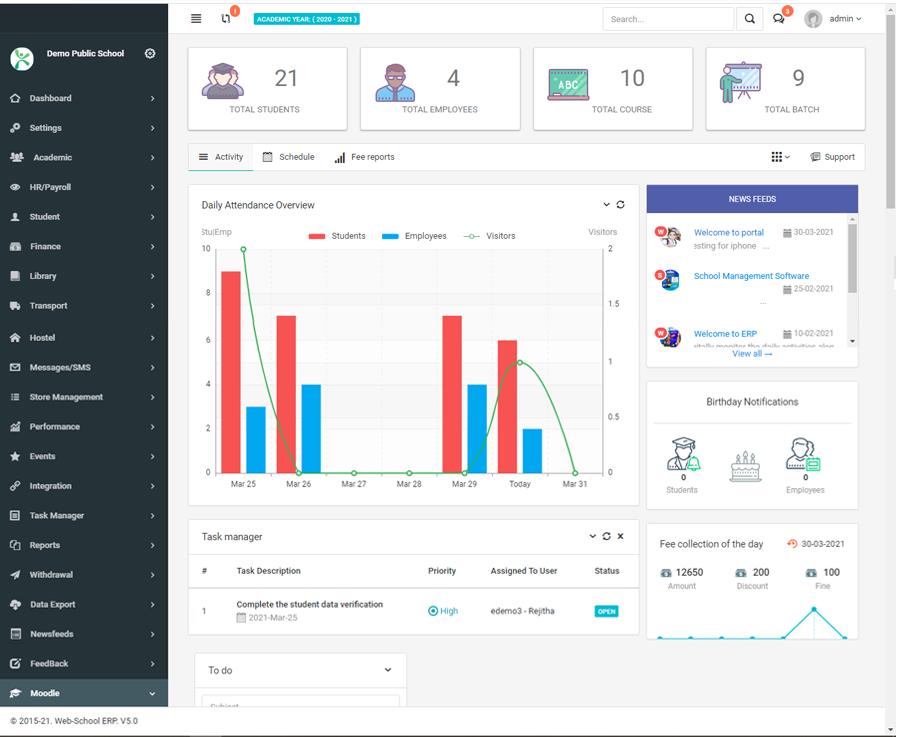
- School ERP
- Learning Management Systems
- Student Analytics
Healthcare
- Hospital Management Systems
- Telemedicine Platforms
- Patient Portals
Manufacturing
- Smart Factory Solutions
- IoT Monitoring
- Predictive Maintenance
Industry-specific solutions provide better alignment with operational requirements.
9. Internet of Things (IoT) Expansion
IoT devices continue to generate valuable operational data.
Common enterprise applications include:
- Asset tracking
- Fleet management
- Smart buildings
- Industrial monitoring
- Energy optimization
Integration between IoT platforms and enterprise systems will become increasingly important.
Organizations will leverage real-time data to improve operational efficiency and reduce costs.
10. Digital Workplace Transformation
Hybrid and remote work models are becoming permanent for many organizations.
Future workplace technologies will emphasize:
- Cloud collaboration tools
- Employee self-service portals
- Virtual workspaces
- Digital communication platforms
- Workforce analytics
Technology will continue to support flexible and productive work environments.
11. AI-Powered HR and Workforce Management
Human resource management is becoming increasingly data-driven.
Future HRMS platforms will include:
- AI recruitment assistants
- Employee sentiment analysis
- Attrition prediction
- Personalized learning recommendations
- Workforce planning tools
Organizations will use AI to improve talent acquisition, retention, and employee engagement.
12. Sustainability Through Technology
Environmental sustainability is becoming a strategic priority.
Technology will help organizations:
- Monitor energy consumption
- Reduce carbon footprints
- Optimize resource utilization
- Improve supply chain efficiency
Green technology initiatives will become an important component of enterprise strategy.
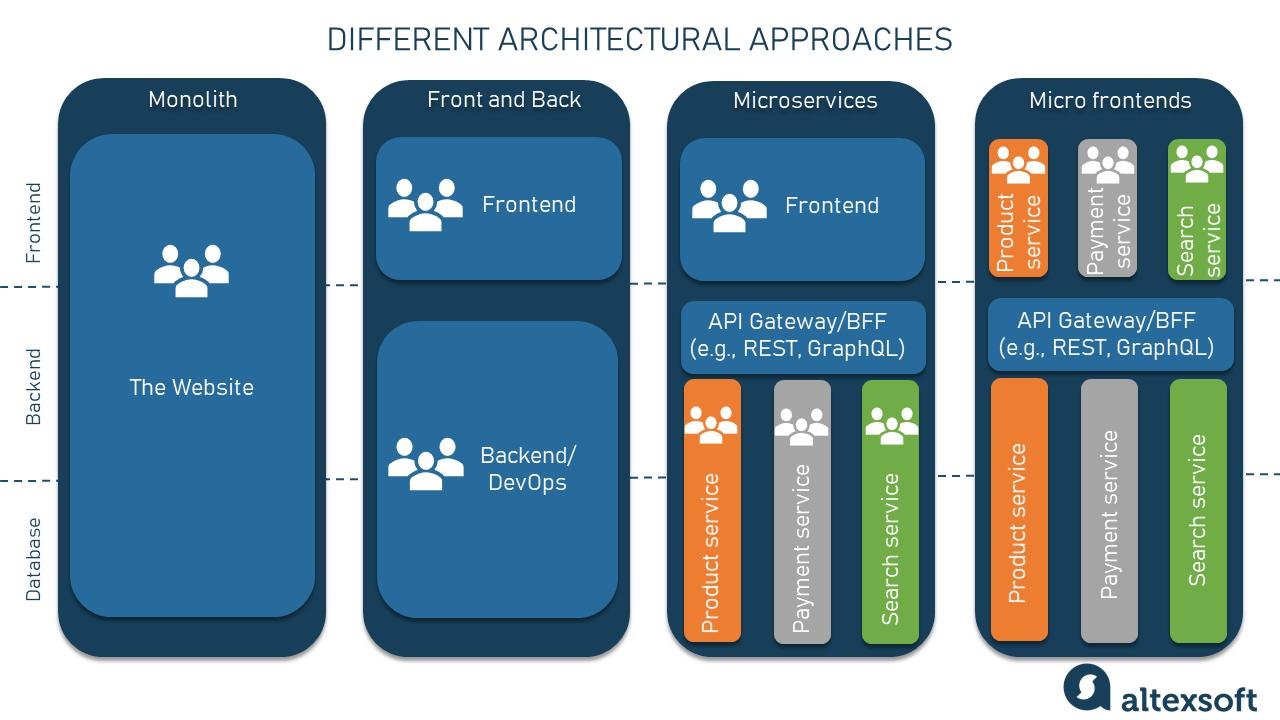
13. Composable Enterprise Architecture
Traditional monolithic systems are gradually giving way to modular architectures.
Composable architecture enables organizations to:
- Integrate best-of-breed solutions
- Adapt quickly to changing requirements
- Reduce vendor dependency
- Improve system flexibility
This approach supports innovation while maintaining operational stability.
14. Enterprise AI Governance
As AI adoption grows, organizations must establish governance frameworks.
Key focus areas include:
- Data privacy
- Ethical AI usage
- Bias management
- Regulatory compliance
- AI monitoring
Responsible AI implementation will become essential for enterprise success.
Challenges Organizations Must Address
Despite the opportunities, enterprises face several challenges:
Legacy Systems
Outdated infrastructure can slow transformation efforts.
Skills Gaps
Organizations need talent capable of implementing and managing modern technologies.
Security Risks
Expanding digital ecosystems increase exposure to cyber threats.
Change Management
Employee adoption remains one of the biggest barriers to successful technology initiatives.
Addressing these challenges proactively will improve transformation outcomes.
How Organizations Can Prepare
To remain competitive in the future, organizations should:
- Develop a clear technology strategy
- Invest in cloud infrastructure
- Explore AI and automation opportunities
- Strengthen cybersecurity capabilities
- Modernize legacy systems
- Build data-driven cultures
- Upskill employees continuously
A proactive approach ensures readiness for emerging technological changes.