Digital Transformation Roadmap for Large Organizations
Digital transformation is no longer optional for large organizations seeking to remain competitive in an increasingly technology-driven world. It involves integrating digital technologies into business processes, operations, customer experiences, and decision-making frameworks to improve efficiency, agility, and innovation. However, successful transformation requires more than adopting new software—it demands strategic planning, cultural change, process optimization, and strong leadership. A well-defined digital transformation roadmap helps organizations align technology investments with business objectives, reduce operational inefficiencies, enhance customer satisfaction, and create sustainable growth opportunities. This guide outlines the key stages and best practices for a successful digital transformation journey..

Introduction
The business landscape is evolving rapidly due to advancements in cloud computing, artificial intelligence, automation, data analytics, and digital communication technologies. Organizations that continue to rely on outdated systems and manual processes often struggle with inefficiencies, rising operational costs, and reduced competitiveness.
Digital transformation enables organizations to modernize operations, improve customer experiences, enhance employee productivity, and make data-driven decisions. However, for large enterprises, transformation is a complex process involving multiple departments, legacy systems, stakeholders, and operational dependencies.
A structured roadmap is essential to ensure that technology initiatives deliver measurable business value while minimizing risks and disruption.
What Is Digital Transformation?
Digital transformation is the process of using technology to fundamentally improve how an organization operates, delivers value to customers, and adapts to changing market conditions.
It typically involves:
- Process automation
- Cloud adoption
- Data analytics
- Artificial intelligence
- Enterprise software modernization
- Customer experience enhancement
- Workforce digitization
The ultimate goal is not merely technological change but business transformation through technology.
Why Large Organizations Need Digital Transformation
Large organizations often face challenges such as:
- Legacy software systems
- Manual workflows
- Data silos
- Slow decision-making
- Limited scalability
- High operational costs
- Inconsistent customer experiences
Digital transformation helps overcome these challenges by creating a more agile, efficient, and data-driven organization.
Phase 1: Assess Current State
Before implementing new technologies, organizations must understand their existing environment.
Evaluate Current Systems
Review:
- ERP systems
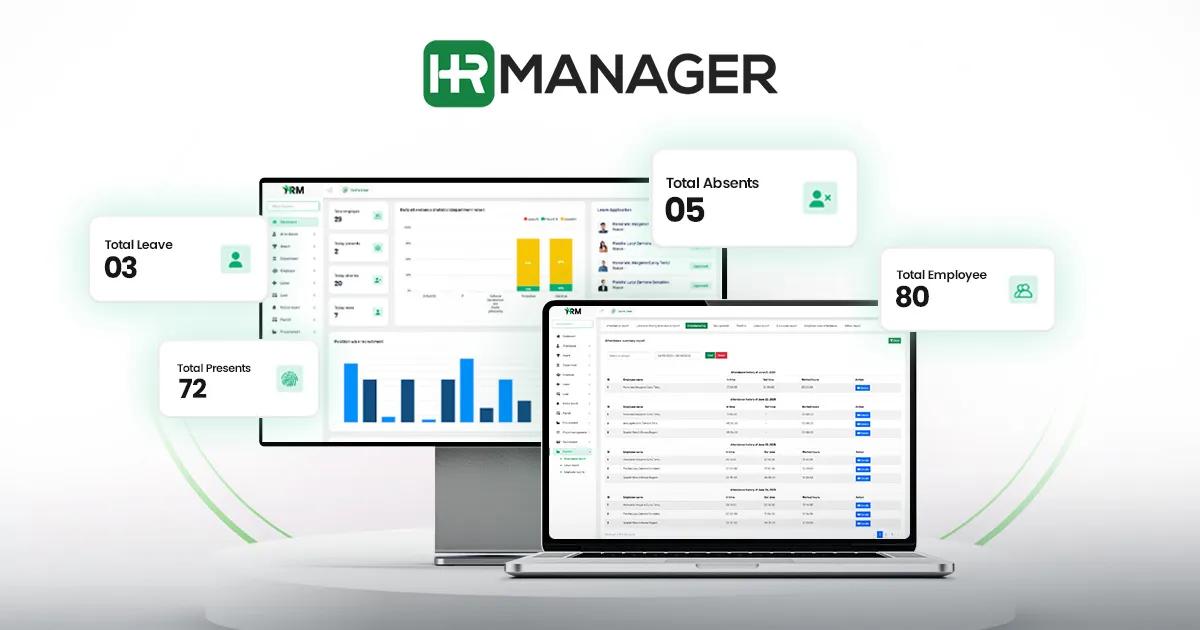
- HRMS platforms
- CRM solutions
- Finance applications
- Operational software
Identify limitations, inefficiencies, and integration challenges.
Analyze Business Processes
Map critical workflows across departments such as:
- Human Resources
- Finance
- Operations
- Procurement
- Customer Service
- Sales
Determine where delays, redundancies, and manual interventions occur.
Assess Digital Maturity
Evaluate:
- Technology adoption levels
- Employee digital skills
- Infrastructure readiness
- Data management capabilities
This assessment forms the foundation of the transformation strategy.
Phase 2: Define Business Objectives
Technology investments should align with business goals.
Common objectives include:
Operational Efficiency
Reduce manual processes and improve productivity.
Cost Optimization
Lower operational expenses through automation and process improvements.
Customer Experience Enhancement
Deliver faster, more personalized customer interactions.
Revenue Growth
Create new digital products, services, and revenue streams.
Improved Decision-Making
Leverage real-time data and analytics for strategic planning.
Clearly defined objectives help prioritize initiatives and measure success.
Phase 3: Build a Digital Transformation Strategy
A successful transformation requires a comprehensive strategy.
Leadership Commitment
Executive sponsorship is critical.
Leadership should:
- Define vision
- Allocate budgets
- Remove barriers
- Drive organizational alignment
Prioritize Initiatives
Not all projects should be executed simultaneously.
Prioritize based on:
- Business impact
- Implementation complexity
- Return on investment
- Strategic importance
Develop a Multi-Year Roadmap
Create a phased implementation plan with measurable milestones and timelines.
Phase 4: Modernize Core Systems
Legacy systems often become obstacles to innovation.
Modernization may include:
ERP Transformation
Upgrade or replace outdated ERP systems.
Benefits:
- Improved operational visibility
- Better financial control
- Enhanced process automation
HRMS Modernization
Implement digital workforce management solutions.
Benefits:
- Employee self-service
- Payroll automation
- Performance management
CRM Enhancement
Improve customer engagement and sales processes through modern CRM platforms.
Phase 5: Adopt Cloud Technologies
Cloud computing serves as the foundation for many digital transformation initiatives.
Benefits of Cloud Adoption
- Scalability
- Cost efficiency
- High availability
- Faster deployment
- Enhanced collaboration
Organizations may choose:
- Public Cloud
- Private Cloud
- Hybrid Cloud
Cloud infrastructure provides the flexibility needed for future growth.
Phase 6: Automate Business Processes
Automation significantly improves efficiency and reduces human error.
Areas Suitable for Automation
- Invoice processing
- Employee onboarding
- Attendance management
- Customer support
- Procurement workflows
- Reporting processes
Automation frees employees to focus on higher-value activities.
Phase 7: Implement Data and Analytics Strategy
Data is one of the most valuable organizational assets.
Establish Data Governance
Ensure:
- Data accuracy
- Security
- Compliance
- Consistency
Build Analytics Capabilities
Leverage:
- Business Intelligence (BI)
- Data Warehousing
- Predictive Analytics
- Executive Dashboards
Data-driven insights support faster and more effective decision-making.
Phase 8: Leverage Artificial Intelligence
AI is becoming a major driver of business transformation.
Common Enterprise AI Applications
- Customer support automation
- AI-powered chatbots
- Predictive analytics
- Demand forecasting
- Fraud detection
- Intelligent document processing
AI enhances productivity and enables smarter business operations.
Phase 9: Strengthen Cybersecurity
Digital transformation increases technology dependence, making security more important than ever.
Security Priorities
- Multi-factor authentication
- Endpoint protection
- Data encryption
- Security monitoring
- Compliance management
Security should be integrated into every phase of transformation.
Phase 10: Enable Workforce Transformation
Technology alone cannot drive transformation.
Organizations must prepare employees for new ways of working.
Employee Training
Provide training programs covering:
- Digital tools
- Data literacy
- Cybersecurity awareness
- Process changes
Change Management
Effective communication helps employees understand:
- Why changes are necessary
- How new systems benefit them
- What support is available
Successful adoption depends on employee engagement.
Measuring Success
Organizations should establish key performance indicators (KPIs) to track progress.
Common metrics include:
Operational Metrics
- Process completion time
- Cost reductions
- Productivity improvements
Customer Metrics
- Customer satisfaction
- Response times
- Retention rates
Employee Metrics
- Adoption rates
- Engagement scores
- Training completion rates
Financial Metrics
- Return on investment
- Revenue growth
- Profitability improvements
Regular measurement ensures accountability and continuous improvement.
Common Challenges
Large organizations often encounter:
Resistance to Change
Employees may be hesitant to adopt new technologies.
Legacy System Dependencies
Older systems can complicate modernization efforts.
Budget Constraints
Transformation initiatives require significant investment.
Integration Complexity
Connecting multiple systems and departments can be challenging.
Skill Gaps
Organizations may need additional technical expertise.
Proactive planning helps mitigate these risks.
Future Trends in Digital Transformation
The future of enterprise transformation will be driven by:
- AI Agents
- Hyperautomation
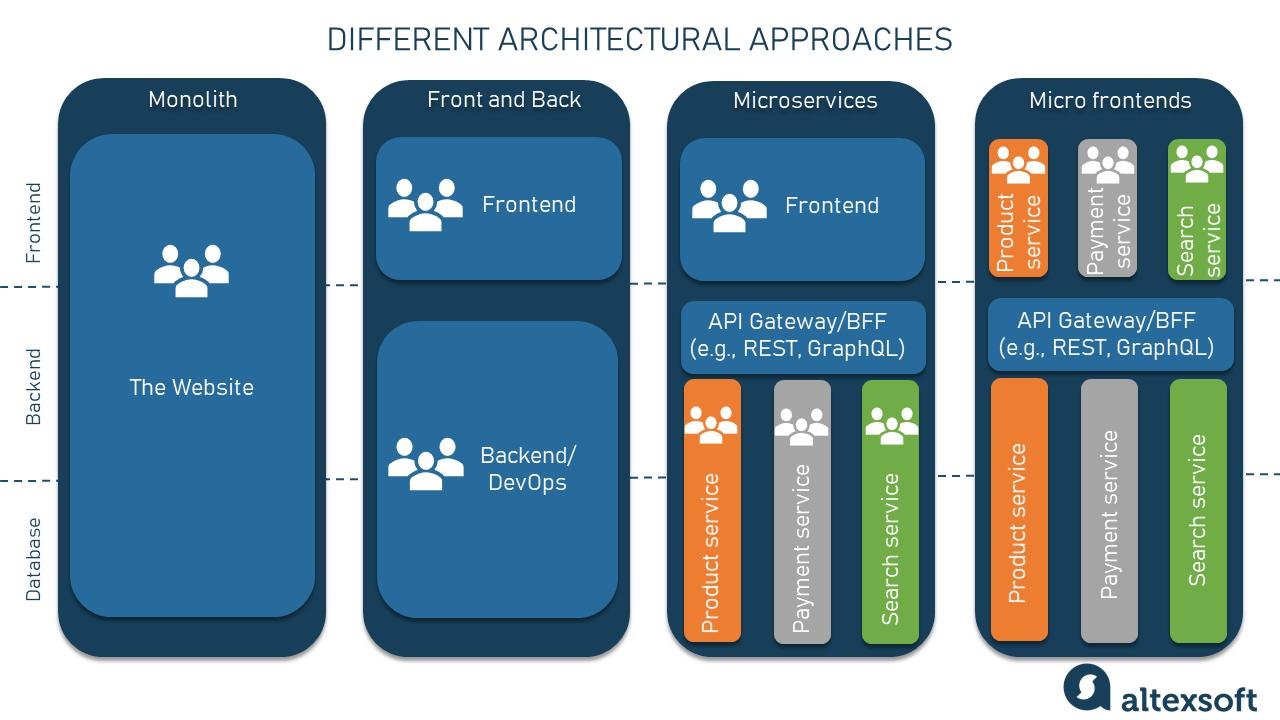
- Cloud-native architectures
- Low-code platforms
- Predictive analytics
- Intelligent customer experiences
- Internet of Things (IoT)
Organizations that embrace these innovations will gain significant competitive advantages.