How AI Agents Are Transforming Enterprise Software in 2026
AI Agents are transforming enterprise software in 2026 by enabling intelligent automation across HRMS, ERP, CRM, customer support, and business operations. Unlike traditional chatbots, AI Agents can understand context, access multiple systems, execute tasks, and provide real-time assistance. Organizations are using AI Agents to automate employee queries, generate reports, streamline workflows, improve customer experiences, and support faster decision-making. By reducing manual effort and increasing operational efficiency, AI-powered solutions help businesses scale effectively while lowering costs. As enterprises continue their digital transformation journey, AI Agents are becoming a critical component of modern, intelligent, and future-ready software systems..
Introduction
Enterprise software has traditionally been designed to help organizations manage business processes, store information, and improve operational efficiency. However, most systems still require significant manual intervention for tasks such as data entry, report generation, customer support, employee assistance, and workflow management.
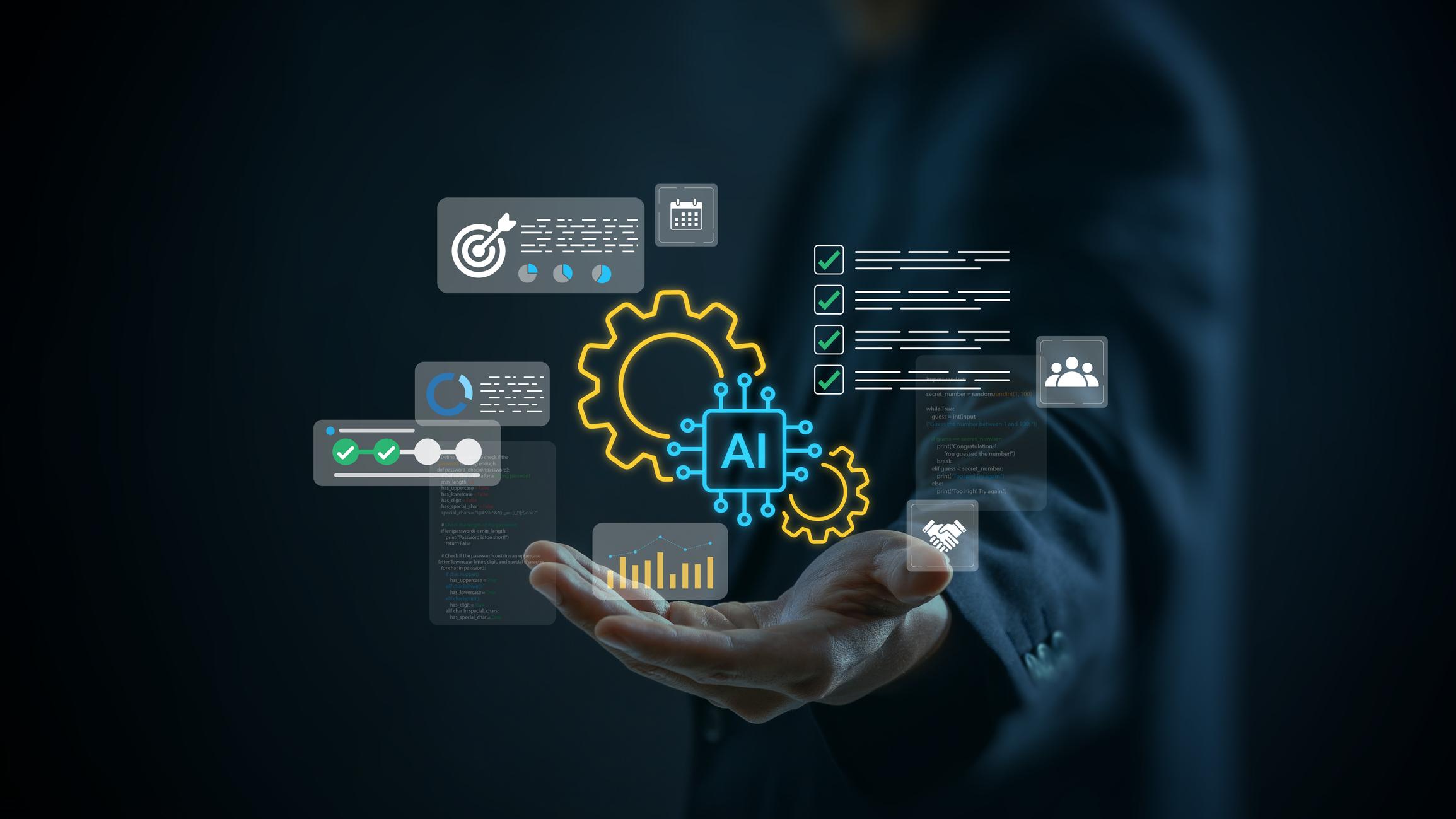
The emergence of AI Agents is changing this landscape. In 2026, AI Agents are becoming an integral part of enterprise applications, helping organizations automate complex business processes, improve decision-making, and enhance overall productivity.
Unlike traditional automation tools that follow predefined rules, AI Agents can understand natural language, analyze data, interact with multiple systems, and perform tasks with minimal human intervention.
What Are AI Agents?
AI Agents are intelligent software entities capable of:
- Understanding user requests
- Processing information from multiple sources
- Making context-aware decisions
- Executing actions automatically
- Learning from interactions
Unlike simple chatbots that only respond to predefined questions, AI Agents can complete entire workflows.
For example, an employee can ask:
"How many leave days do I have remaining this year?"
The AI Agent can:
- Access the HRMS system
- Retrieve leave balance information
- Present the result in a user-friendly format
- Assist with submitting a leave request if needed
This level of automation significantly reduces the workload on HR teams and improves employee satisfaction.
Key Areas Where AI Agents Are Making an Impact
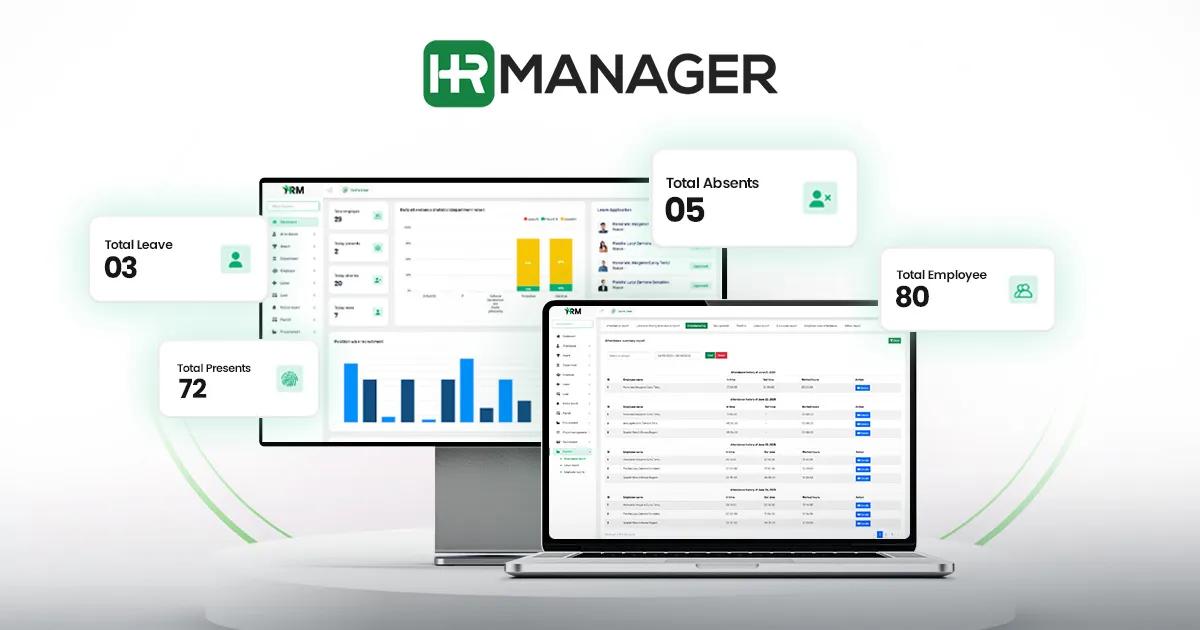
1. Human Resource Management Systems (HRMS)
AI Agents are revolutionizing HR operations by providing employees with instant access to information and automating administrative tasks.
Common use cases include:
- Leave balance inquiries
- Attendance tracking
- Payroll assistance
- Policy information
- Employee onboarding
- Performance review support
Organizations can provide 24/7 employee support without increasing HR staffing costs.
2. Enterprise Resource Planning (ERP)
ERP systems often contain large amounts of data spread across multiple modules.
AI Agents can help users:
- Retrieve business reports
- Track inventory levels
- Monitor purchase orders
- Generate financial summaries
- Analyze operational performance
Instead of navigating multiple screens, users can simply ask questions in natural language and receive instant answers.
3. Customer Support Automation
Customer service departments are among the biggest beneficiaries of AI Agent technology.
AI Agents can:
- Answer customer queries
- Process support requests
- Escalate critical issues
- Track order status
- Handle appointment scheduling
This reduces response times and improves customer satisfaction while allowing support teams to focus on complex cases.
4. Sales and CRM Systems
Sales teams spend significant time on repetitive administrative tasks.
AI Agents can assist by:
- Updating CRM records
- Scheduling follow-ups
- Generating sales summaries
- Predicting sales opportunities
- Identifying customer trends
This enables sales professionals to focus more on relationship building and revenue generation.
5. Business Intelligence and Reporting
Many executives struggle with obtaining timely and actionable insights from business data.
AI Agents can generate:
- Real-time dashboards
- Executive summaries
- Sales reports
- Performance analytics
- Predictive forecasts
Instead of waiting for manually prepared reports, decision-makers can access information instantly.
Benefits of AI Agents in Enterprise Software
Increased Productivity
Employees spend less time on repetitive tasks and more time on strategic activities.
Faster Decision-Making
AI Agents provide real-time information and insights, enabling quicker and more informed decisions.
Cost Reduction
Automation reduces operational costs associated with manual processes and support functions.
Improved User Experience
Natural language interactions make enterprise software easier to use and more accessible.
Enhanced Scalability
Organizations can support growing workloads without proportionally increasing staffing requirements.
AI Agents vs Traditional Chatbots
| Traditional Chatbot | AI Agent |
|---|---|
| Predefined responses | Context-aware responses |
| Limited functionality | Task execution capabilities |
| Single-purpose | Multi-functional |
| Rule-based | Intelligent decision-making |
| Cannot perform actions | Can complete workflows |
This distinction is why AI Agents are becoming the preferred solution for modern enterprises.
Challenges Organizations Should Consider
While AI Agents offer significant advantages, successful implementation requires:
- High-quality data
- Secure system integrations
- User training
- Governance policies
- Compliance and privacy controls
Organizations should ensure that AI systems are deployed responsibly and aligned with business objectives.
The Future of Enterprise Software
The future of enterprise software lies in intelligent, conversational, and autonomous systems.
In the coming years, AI Agents will be able to:
- Coordinate tasks across departments
- Predict business outcomes
- Recommend actions proactively
- Manage complex workflows independently
- Act as digital assistants for employees and customers
Businesses that embrace AI-driven automation today will be better positioned to compete in an increasingly digital and data-driven economy.