Complete Guide to WhatsApp Business API for Enterprises
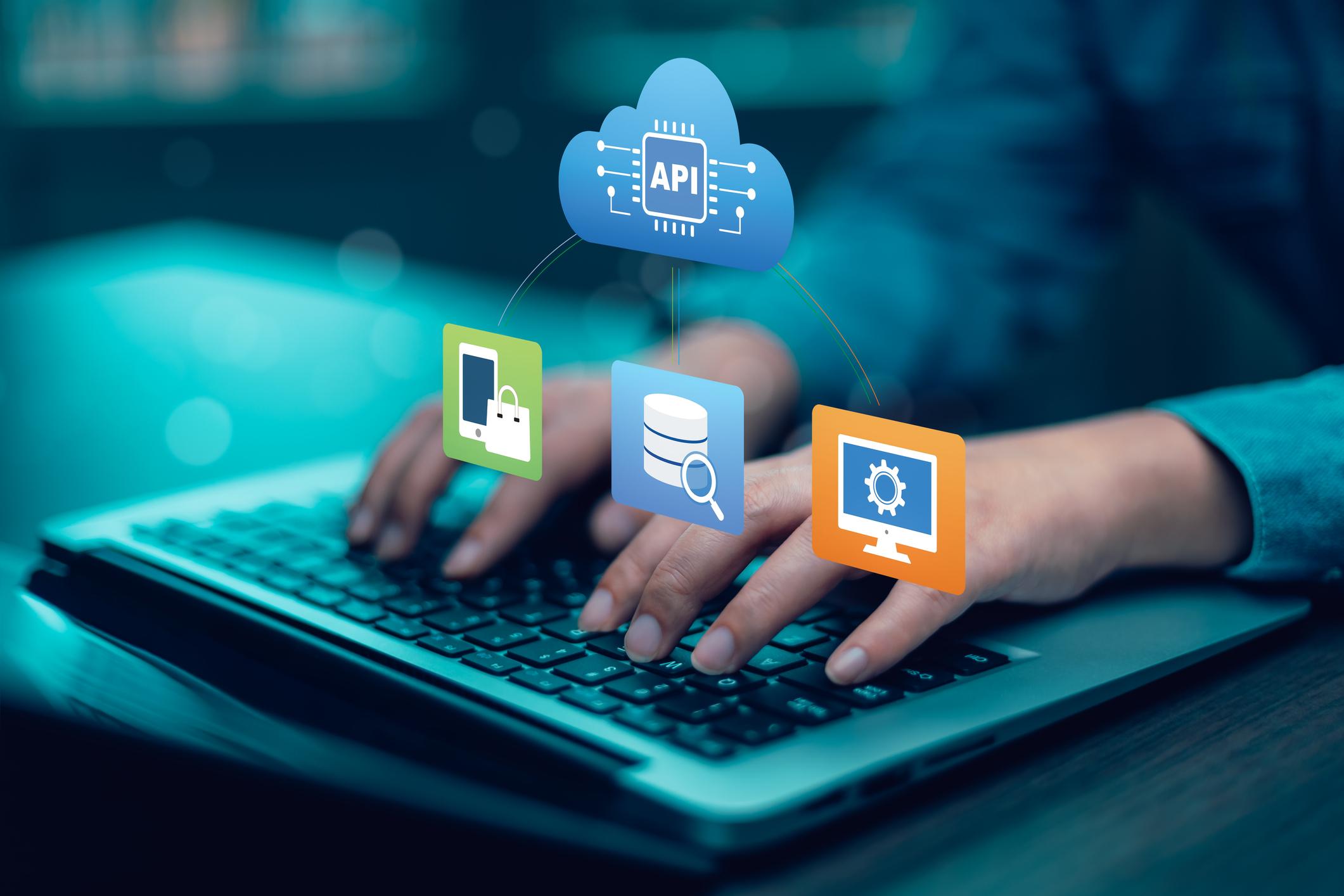
The WhatsApp Business API has become one of the most powerful communication tools for enterprises looking to improve customer engagement, automate support, and streamline business operations. Unlike the standard WhatsApp Business App, the API enables organizations to integrate WhatsApp with CRM, ERP, helpdesk, and marketing platforms, allowing large-scale messaging and workflow automation. Businesses can use the API for customer support, order updates, appointment reminders, lead nurturing, and transactional notifications. With billions of active users worldwide, WhatsApp Business API helps enterprises deliver faster, more personalized, and highly effective customer communication experiences..
Introduction
Customer communication has evolved significantly over the last decade. Traditional channels such as email and SMS are increasingly being supplemented by messaging platforms that offer faster, more interactive, and more convenient communication experiences.
Among these platforms, WhatsApp has emerged as the preferred communication channel for businesses and customers alike. With billions of active users globally, WhatsApp provides organizations with a direct and trusted way to engage with customers.
For medium and large organizations, the WhatsApp Business API offers advanced capabilities that go far beyond the standard WhatsApp Business application. It enables businesses to automate conversations, integrate with existing systems, and manage customer interactions at scale.
This guide explains everything enterprises need to know about WhatsApp Business API, its benefits, use cases, implementation process, and best practices.
What Is WhatsApp Business API?
WhatsApp Business API is an enterprise-grade solution that allows organizations to communicate with customers through WhatsApp using integrated software systems.
Unlike the WhatsApp Business App, the API does not provide a standalone interface. Instead, it connects with:
- CRM Systems
- ERP Platforms
- Helpdesk Software
- Marketing Automation Tools
- Customer Service Platforms
- AI Chatbots
- Enterprise Applications
This enables businesses to manage thousands of customer interactions efficiently and securely.
WhatsApp Business App vs WhatsApp Business API
| Feature | Business App | Business API |
|---|---|---|
| Intended For | Small Businesses | Medium & Large Enterprises |
| Multi-Agent Support | Limited | Yes |
| CRM Integration | No | Yes |
| Automation | Basic | Advanced |
| Chatbot Support | Limited | Full Support |
| Scalability | Low | High |
| API Access | No | Yes |
| Team Collaboration | Limited | Extensive |
Organizations handling large customer volumes typically require the capabilities offered by WhatsApp Business API.
Key Benefits of WhatsApp Business API
Improved Customer Engagement
Customers prefer messaging over traditional communication channels because it is fast, convenient, and familiar.
Businesses can engage customers directly on a platform they already use daily.
Faster Response Times
Automation and chatbot integrations enable instant responses to common customer inquiries.
This significantly improves customer satisfaction and reduces waiting times.
Higher Message Open Rates
WhatsApp messages generally achieve substantially higher engagement compared to traditional email communication.
This makes WhatsApp an effective channel for notifications, reminders, and customer engagement campaigns.
Centralized Communication
Organizations can manage customer conversations from a single platform while integrating communication with existing business systems.
Enhanced Customer Experience
Businesses can provide:
- Personalized interactions
- Real-time updates
- Rich media communication
- Faster support resolution
This creates a more seamless customer journey.
Common Enterprise Use Cases
Customer Support
Organizations use WhatsApp to provide:
- Frequently asked questions
- Complaint handling
- Technical support
- Service requests
- Escalation management
Customers receive assistance quickly without needing to call support centers.
Order and Delivery Updates
Businesses can automatically send:
- Order confirmations
- Shipping updates
- Delivery notifications
- Invoice details
This reduces customer inquiries and improves transparency.
Appointment Scheduling
Healthcare providers, educational institutions, and service organizations use WhatsApp for:
- Appointment booking
- Reminders
- Rescheduling notifications
- Follow-up communications
Lead Generation and Sales
Sales teams can use WhatsApp to:
- Qualify leads
- Share product information
- Schedule demonstrations
- Follow up with prospects
This creates a more personalized sales process.
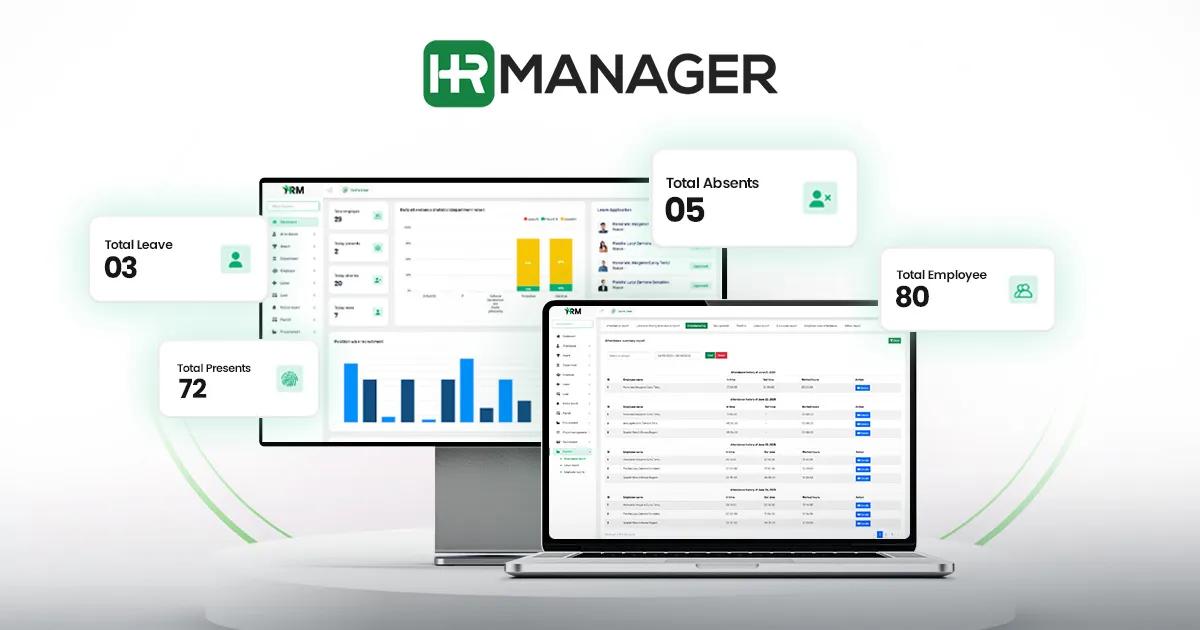
Employee Communication
Enterprises can integrate WhatsApp with HRMS systems to provide:
- Attendance notifications
- Leave approvals
- Payroll updates
- Policy announcements
This improves internal communication efficiency.
WhatsApp Business API Integration Architecture
A typical enterprise implementation includes:
Customer
The user initiates communication through WhatsApp.
WhatsApp Business Platform
The message is securely routed through WhatsApp infrastructure.
Business Solution Provider
A certified solution provider manages API connectivity and compliance.
Enterprise Applications
The API connects with:
- CRM
- ERP
- HRMS
- Ticketing Systems
- Marketing Platforms
This creates a seamless communication ecosystem.
AI Chatbots and Automation
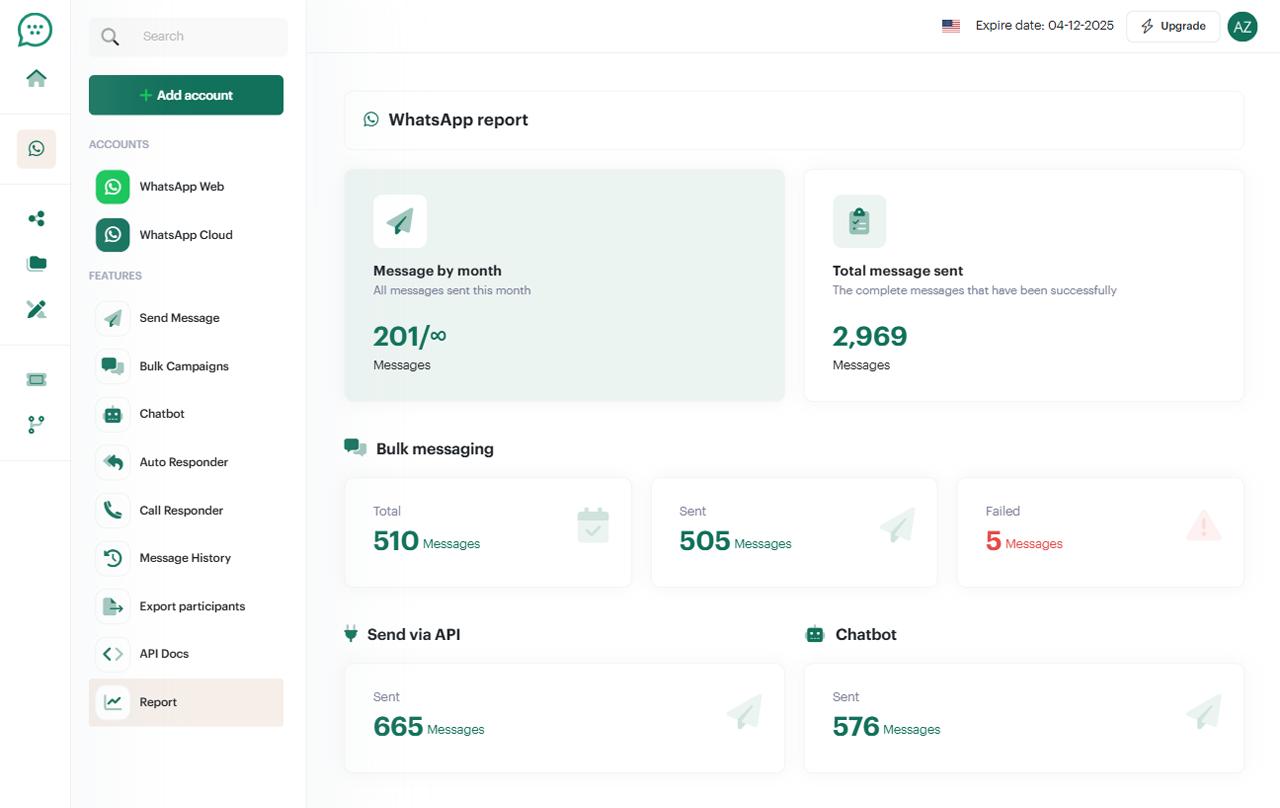
One of the biggest advantages of WhatsApp Business API is the ability to integrate AI-powered chatbots.
Modern AI systems can:
- Understand customer queries
- Provide instant answers
- Retrieve information from databases
- Execute business workflows
- Escalate complex issues to human agents
This significantly reduces operational workload while maintaining service quality.
Security and Compliance
Enterprise communication requires strong security controls.
WhatsApp provides:
End-to-End Encryption
Messages are protected during transmission.
Verified Business Accounts
Customers can identify legitimate business accounts.
Secure Authentication
API access is controlled through secure authentication mechanisms.
Compliance Support
Organizations can implement policies that align with regulatory requirements.
Best Practices for Enterprises
Use Automation Wisely
Automate repetitive tasks while maintaining human support for complex interactions.
Personalize Conversations
Customers respond better to personalized messages than generic communication.
Integrate with Existing Systems
Connect WhatsApp with CRM, ERP, and support platforms for a unified customer experience.
Monitor Performance
Track metrics such as:
- Response time
- Customer satisfaction
- Resolution rates
- Campaign performance
Follow WhatsApp Policies
Ensure all communication complies with WhatsApp's business messaging guidelines.
Challenges to Consider
While WhatsApp Business API offers significant advantages, organizations should plan for:
- Template approval processes
- Integration complexity
- User consent management
- Operational governance
- Ongoing optimization
Proper planning helps maximize the return on investment.
Future of WhatsApp Business API
As businesses continue their digital transformation initiatives, WhatsApp is expected to become even more important as a customer communication channel.
Emerging trends include:
- AI-powered conversational agents
- Voice-enabled interactions
- Advanced workflow automation
- Personalized customer journeys
- Deeper CRM and ERP integrations
Organizations that adopt these capabilities early will gain a competitive advantage in customer engagement and service delivery.